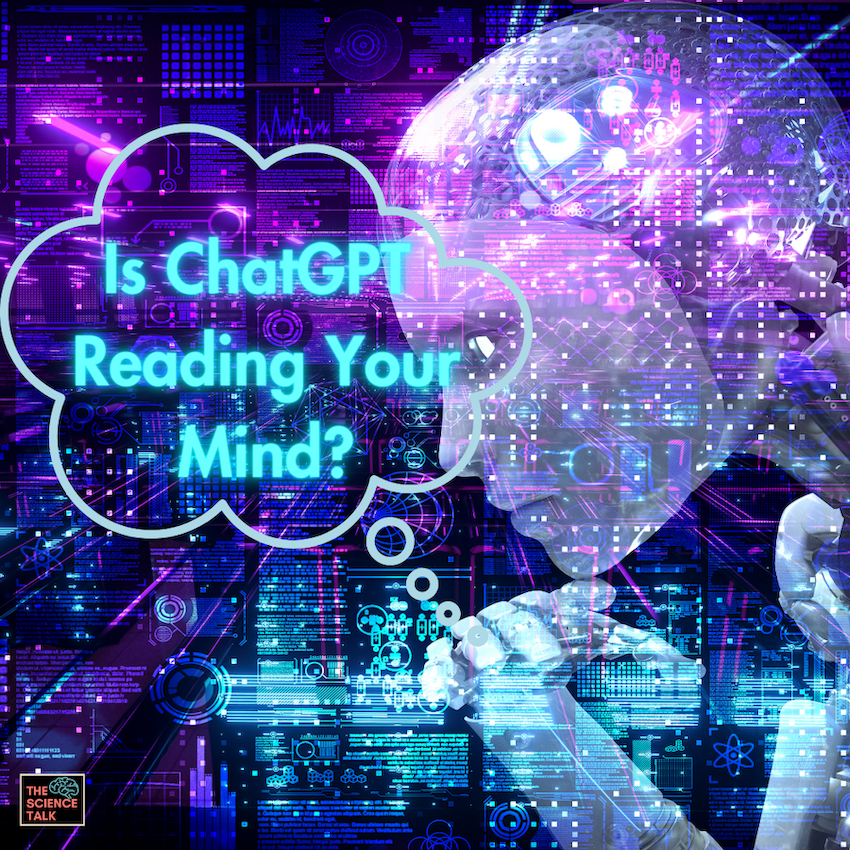
Is ChatGPT Reading Your Mind?😱🔬🤔
I finally gave into ChatGPT and here is the outcome
Hello you,
I couldn’t resist the AI buzz, so I finally checked out ChatGPT 💥✨ In my quest for knowledge, I asked ChatGPT a burning question: “Tell me 5 pain points of materials scientists all around the world.” And guess what? It didn’t disappoint!
But that’s not all—today, I am thrilled to share with you our latest blog post: “Is ChatGPT Reading Your Mind?” 🧠🌍
Discover the fascinating insights ChatGPT revealed about the challenges faced by materials scientists across the globe. From limited access to advanced tools to time-consuming processes, environmental sustainability, and more, ChatGPT’s responses will leave you in awe!
Read the blog post and make your own mind.
**Text below was created by ChatGPT**
And that’s not even the best part! Within the blog post, we have a bonus treat for you—an exclusive podcast episode with Dr. Pranoti Kshirsagar, a renowned materials scientist. Listen in as she validates ChatGPT’s insights and provides her expert take on the field.
Don’t miss out on this incredible journey of discovery! Tune in to the podcast.
Curiosity ignited? Dive in and explore!
Happy reading/listening,
Pranoti
SciArt of June 2023
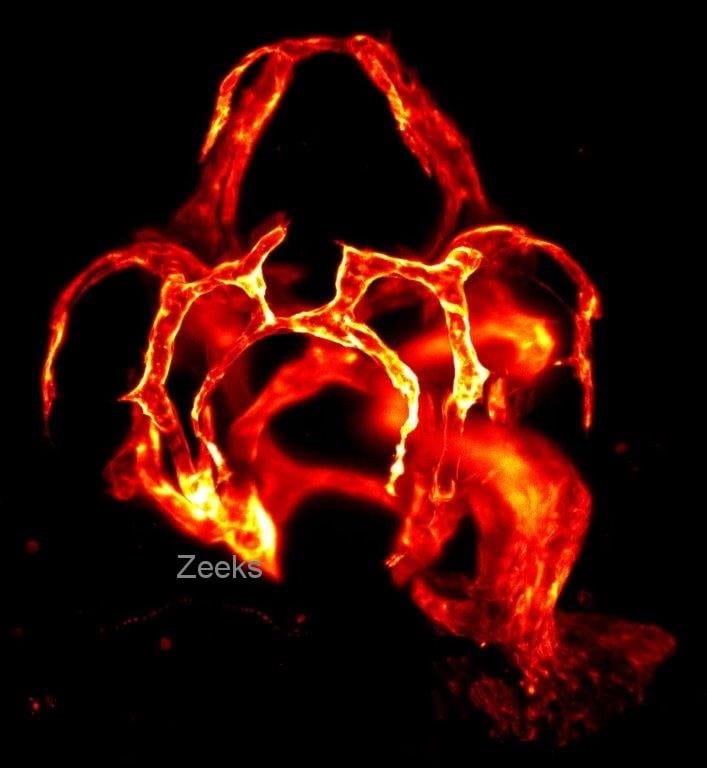
What you see in this image are the blood vessels of the brain in a one-day old zebrafish. To visualize data such as these, scientists use transgenic reporter lines that light up the blood vessels with specific fluorophores and state-of-the-art light-sheet microscopes. As we are looking from the front, the arch on the left is the blood vessel forming in the right eye, and vice-versa the arch on the right is the blood vessel forming in the left eye. The arch on top covers the brain, while the arch in front covers the forebrain. These data help us understand how blood vessels form and stay healthy.
Inspired by this? Check out: www.zeeks-artforgeeks.com